
5th ECMWF-ESA Machine Learning Workshop
ECMWF Bologna Tecnopolo di Bologna, Via Stalingrado 84/3, Bologna, ItalyForum to discuss ML opportunities and challenges in Earth system observation and prediction.
Forum to discuss ML opportunities and challenges in Earth system observation and prediction.
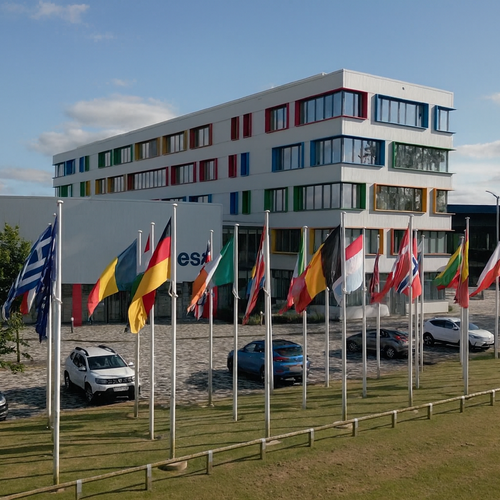
Attendees will share their thoughts and help shape the future of Earth observation in digital twins across Europe.
Take part in the online seminar "Building an Ethical Framework for AI in Weather and Climate Forecasting" on January 27, 2026. Gain insights into the responsible and ethical use of AI in weather and climate predictions, featuring contributions from the EU DestinE initiative.
This webinar introduces INSULA, the integrated processing and analytics service developed by CGI and available on the DestinE Platform. Through live demonstrations and a real operational use case, experts show how users can access data, integrate and run processors at scale, and transform complex datasets into actionable insights for informed decision-making.
Discover how to unlock the full potential of the Destination Earth Data Lake by diving into the third webinar of the DestinE Data Lake Series focused on ISLET!
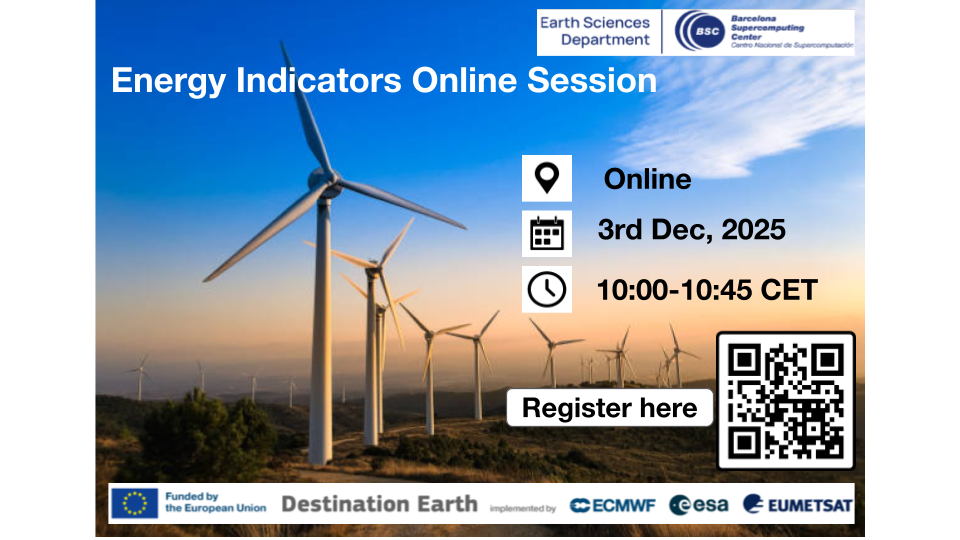
Join the Barcelona Supercomputing Centre to explore how the Climate DT supports the wind energy sector.
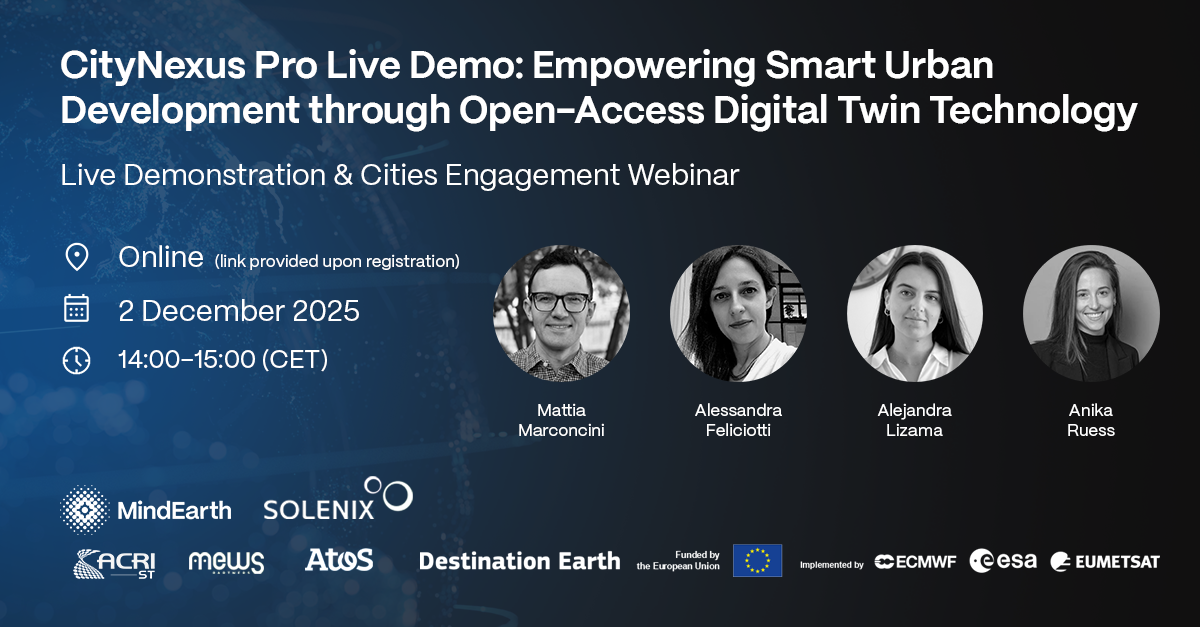
In this interactive webinar, we’ll give you a hands-on demonstration of CityNexus Pro and explore how it integrates Earth Observation, mobility, and climate data to simulate urban dynamics.
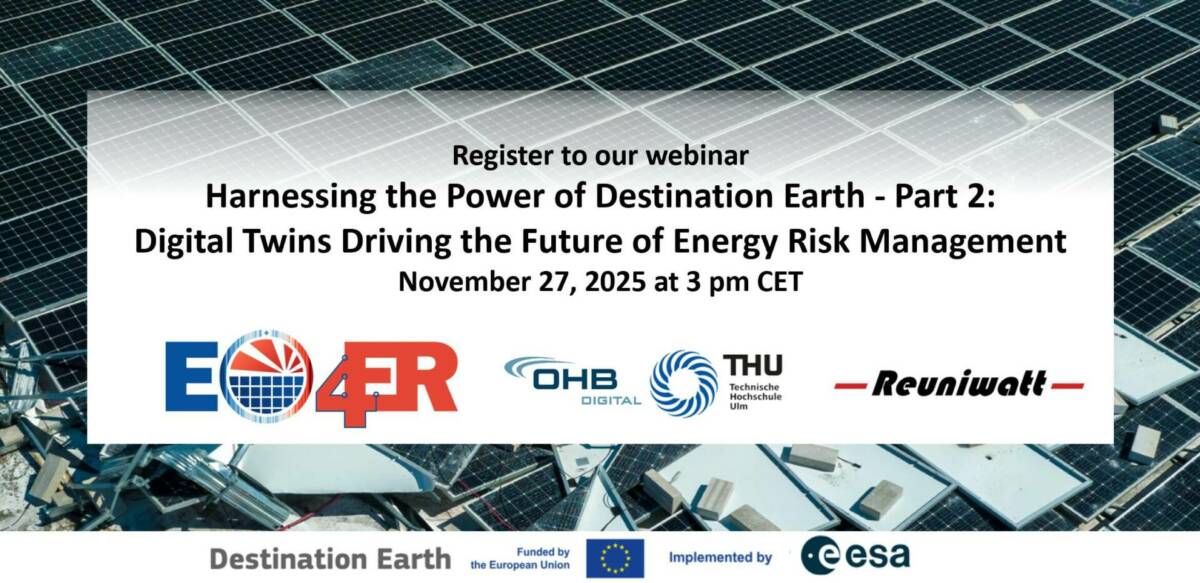
EO4ER has been selected by ESA in the framework of the Destination Earth (DestinE) flagship initiative to develop a Digital Twin Component
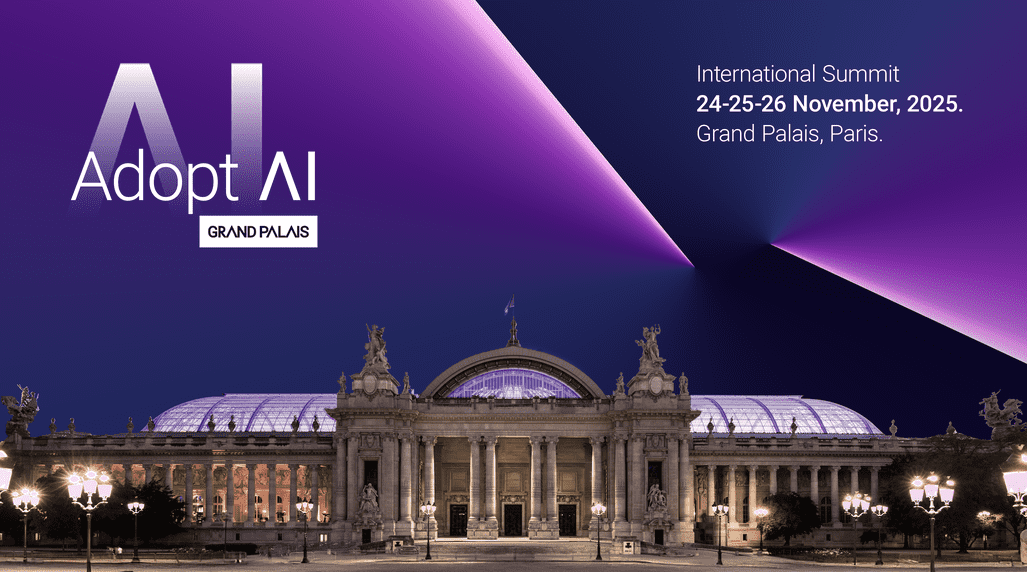
Held on 25–26 November 2025 at the Grand Palais in Paris, the AI Action Summit – Business Edition is the official follow-up
Curious on how to access powerful Earth data and start working with the Destination Earth ecosystem? Join us for an interactive and
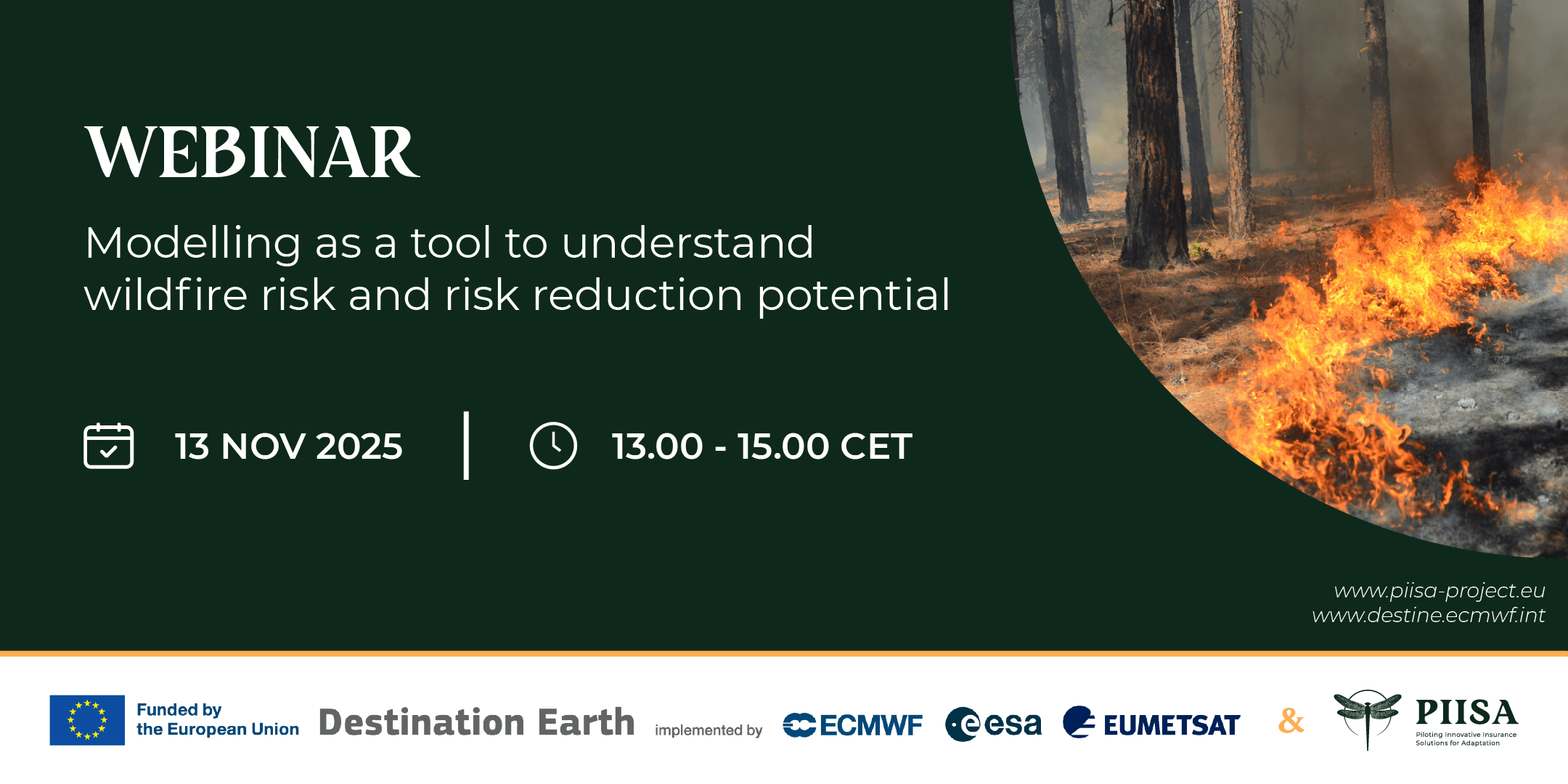
The webinar addresses wildfire models used to evaluate fire risk in a changing climate. Fire spread modelling can be used to assess efficacy and efficiency of wildfire prevention solutions (e.g. fire breaks and fuel management) in current and future climates.
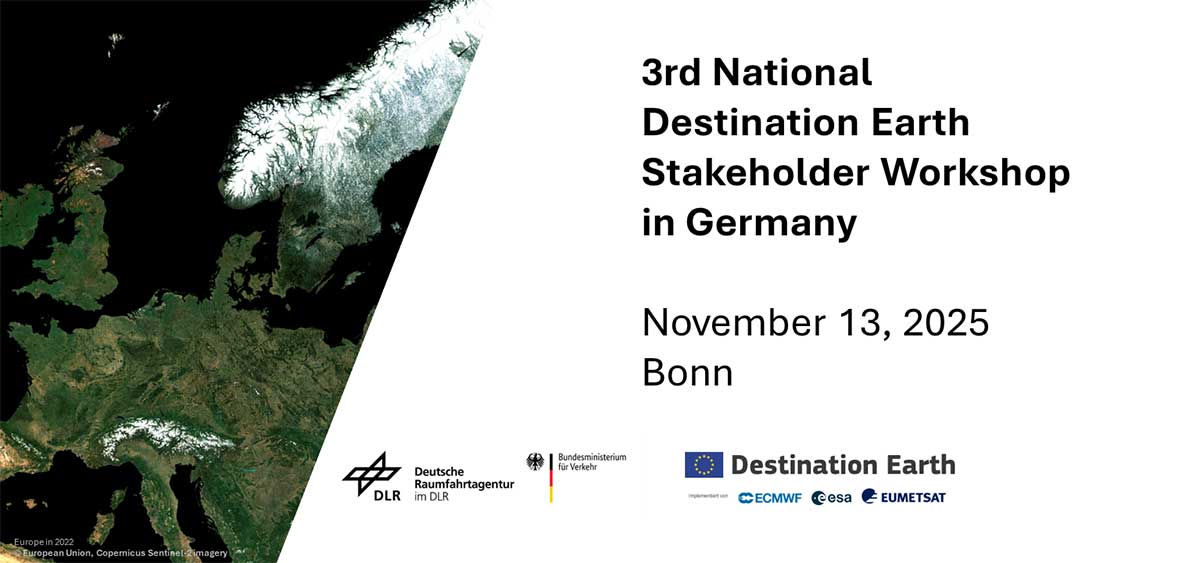
Destination Earth (DestinE) users and interested parties in Germany are invited to the third national stakeholder workshop in Bonn. This full-day event will provide updates on the current status of DestinE, explore its applications, and discuss opportunities for operational use in Germany.
On November 11, 2025, from 13:00 to 16:00, the Climate DT Workshop on Extreme Precipitation will take place virtually. It will concentrate on novel approaches to categorising and recording instances of intense precipitation.
During the webinar, participants will discover the mission and vision of the Destination Earth Data Lake, learn how to create an account and request access rights, explore the concept of Harmonized Data Access (HDA), get hands-on with the JupyterLab environment, and dive into a real use case - the Danube Delta.
This webinar will showcase how DestinEStreamer supports data-driven insights through live demonstrations and real user examples. Experts from GeoVille and the DestinE Platform team will guide you through the service and answer your questions.
The two sessions will provide insights into the work on this Machine Learning (ML) Demonstrator, showcasing how AI can enhance high-resolution weather information by combining forecasts from multiple numerical models.
Join us for a webinar about the Global Fish Tracking Service and learn how it can be used to perform fish track reconstruction. This webinar is geared towards scientists working with biologging data but will provide insights to the wider public as well.
The EUMETSAT Climate Symposium, From Space to Climate Service: Co-creation in Action, will take place in 2025 and focuses on strengthening collaboration between policy and decision makers, operational climate service providers at national and European levels, the research community, and EUMETSAT itself.
The Joint TerraDT – Nordic Cryosphere Digital Twin (NOCOS DT) Workshop, which will take place online and at Tallinn University of Technology from October 27 to 28, 2025, will examine how digital twin technologies are improving our knowledge of sea ice dynamics in the Baltic, Arctic, and beyond.
High-resolution digital twin technology is transforming the way we anticipate and manage solar energy risks. By integrating satellite observations, weather models, and renewable energy data, the Destination Earth (DestinE) initiative is enabling more accurate and reliable forecasting for the energy sector.
EuroGEO Workshop 2025 will bring together the European Earth Observation (EO) community under the theme “Advancing collective Earth Intelligence”. Organised by the European Commission, the EuroGEO Secretariat and the Netherlands Space Office, the event will highlight Europe’s united contribution to the GEO Work Programme and showcase how policy, research and innovation are shaping the transition from EO services to Earth Intelligence.
This webinar will showcase the work done by the Belgian Royal Meteorological Institute (RMI), Elia, PropheSea, and GeoSphere Austria whom are currently developing a next-generation pilot service for Dynamic Line Rating, as part of ECMWF’s Destination Earth initiative.
On 2 October 2024, ECMWF will bring together policymakers, researchers and innovators in Brussels to explore how artificial intelligence can strengthen Europe’s preparedness for climate change. Supported by the European Commission’s DG CNECT and in media partnership with Science|Business, the half-day conference will showcase the latest advances in AI and highlight flagship initiatives such as DestinE, AI Factories and EuroHPC.
Big Data from Space 2025 (BiDS25), held from 29 September to 3 October 2025 in Riga, is a biennial event co-organised by the European Space Agency (ESA), the European Commission, and the EU Satellite Centre (SatCen). It brings together experts from academia, industry, and public institutions to explore how large-scale space data and technologies—such as AI and cloud computing—can address global challenges in science, sustainability, and security.